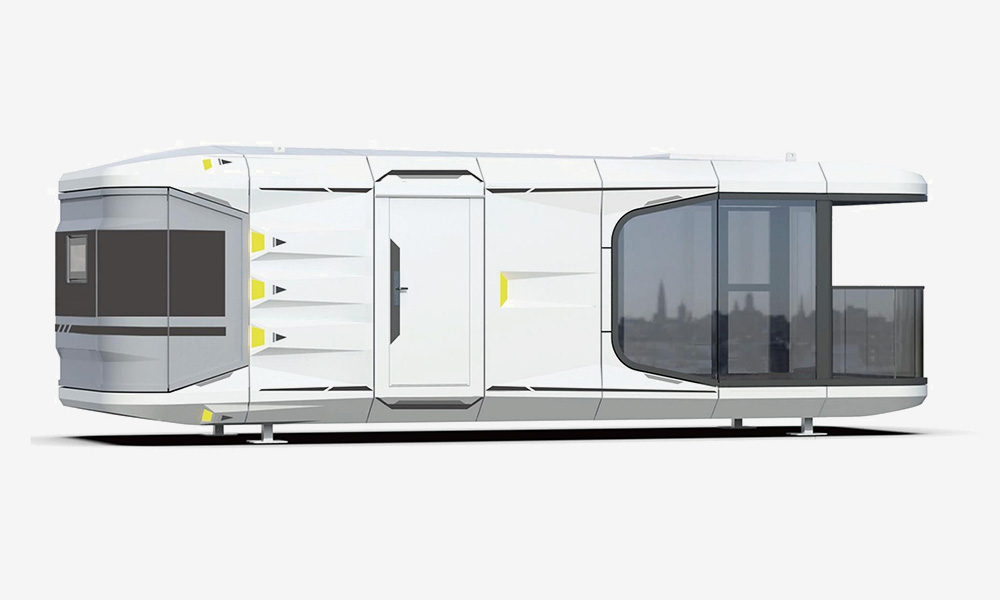
With the growing demand for flexible living spaces, efficient construction methods, and sustainable housing solutions, prefabricated tiny homes are becoming an increasingly popular choice in the modern housing market.
Unlike traditional home construction, prefabricated tiny homes are built using an advanced factory-based manufacturing approach. Most components of the home are produced in a controlled factory environment and then transported to the final location for assembly and installation.
By combining prefabricated construction technology with compact and functional design, prefab tiny homes provide a practical housing solution for people seeking affordability, flexibility, and efficient use of space.
The production process of prefabricated tiny homes usually involves several important stages.
Before manufacturing begins, professional prefabricated tiny homes manufacturers work with customers to develop suitable designs based on specific requirements.
Important design factors may include:
Home size and layout
Interior functionality
Exterior appearance
Material selection
Energy efficiency requirements
Custom features
Through flexible design options, customers can create custom prefabricated tiny homes that match their lifestyle and application needs.
One of the main advantages of prefab tiny homes is that many construction processes are completed inside a factory.
Common manufacturing processes include:
Structural frame production
Wall and roof assembly
Window and door installation
Insulation installation
Interior preparation
Electrical and plumbing integration
Factory production allows manufacturers to maintain more consistent quality control and improve production efficiency.
After manufacturing is completed, the prefabricated tiny home is transported to the customer’s location.
Professional installation teams assemble and complete the home in accordance with the original design plan.
Compared with traditional construction methods, this approach can reduce on-site work and provide a more efficient building experience.
One of the biggest advantages of prefabricated tiny homes is the efficient construction process.
Because many components are manufactured in advance, factory production can help reduce the amount of work required at the construction site.
This makes prefab tiny homes an attractive option for customers seeking faster, more convenient housing solutions.
Although tiny homes have compact dimensions, modern design techniques allow these homes to provide comfortable and functional living spaces.
Common design features include:
Open living areas
Multi-purpose furniture
Space-saving storage solutions
Flexible room layouts
Modern interior designs
Modern prefabricated tiny homes focus on maximizing available space while creating comfortable environments for daily living.
Since many production steps take place in a factory environment, prefabricated tiny homes manufacturers can better manage materials, production processes, and product consistency.
Controlled manufacturing conditions help ensure that every component meets required quality standards before delivery.
Prefabricated tiny homes are not limited to residential use. They can be adapted for various applications, including:
Permanent Housing:
Small prefabricated homes can serve as primary residences, guest houses, or additional living spaces.
Vacation Homes:
Due to their flexible installation and compact design, prefab tiny homes are widely considered for vacation properties, countryside accommodation, and recreational spaces.
Temporary Housing:
Prefabricated tiny homes can provide practical solutions where fast installation and flexible accommodation are needed.
Commercial Spaces:
Small offices
Studios
Retail spaces
Guest accommodations
Mobile workspaces
Steel structures are widely used in prefab tiny homes because they provide a stable foundation for the building structure.
Quality insulation materials help improve indoor comfort and support energy-efficient housing designs.
Different wall systems and exterior finishes can be selected according to climate conditions, appearance requirements, and durability expectations.
With increasing demand for environmentally responsible construction, many prefabricated tiny homes manufacturers are exploring sustainable materials and energy-efficient designs.
Prefabricated tiny homes are suitable for a wide range of users, including:
Individuals seeking compact living solutions
Families requiring additional living space
Customers looking for vacation homes
Businesses needing flexible spaces
Property owners interested in modern housing solutions
Because of their flexible design and installation options, custom prefabricated tiny homes can meet different lifestyle and commercial requirements.
When selecting prefabricated tiny homes, several factors should be considered.
Working with a professional prefabricated tiny homes manufacturer can help ensure reliable production quality, technical support, and customization options.
The structural system, insulation materials, exterior protection, and interior components all influence the long-term performance of a prefab tiny home.
Different customers have different requirements. A reliable manufacturer should provide flexible solutions for:
Size
Layout
Interior design
Exterior appearance
Functional features
Transportation, installation guidance, and customer service are also important factors when choosing prefabricated tiny homes.
As housing needs continue to evolve, prefabricated tiny homes are expected to become an increasingly important part of modern construction.
Future development trends may include:
Smart home technology
Energy-efficient designs
Sustainable materials
Modular expansion solutions
More personalized customization
By combining advanced manufacturing methods with innovative architectural design, modern prefabricated tiny homes offer a flexible solution for future housing needs.